Political
Government policies, urban planning regulations and political stability affect decision-making and project funding.
Industries
Municipalities manage urban infrastructure, public utilities, waste management and community services, keeping cities functioning for residents and businesses. As urban populations grow, local governments face traffic congestion, environmental sustainability challenges and the digital transformation of public services, while budget constraints, bureaucratic inefficiencies and rapid urbanization complicate governance.
To meet these demands, municipalities are using smart city technologies, e-governance platforms and data-driven decision-making, such as AI-powered traffic management, IoT-based waste collection and digital citizen engagement. Sustainable city planning, renewable energy and disaster resilience are gaining prominence, and the future depends on embracing innovation, optimizing resources and improving citizen experience through efficient governance.

A PESTEL analysis of the macro-environmental factors affecting Municipalities:
Government policies, urban planning regulations and political stability affect decision-making and project funding.
Revenue comes from property taxes, government grants and public-private partnerships, and budget deficits can affect service delivery.
Growing urban populations demand better infrastructure, clean environments and quality of life, and public engagement in governance is rising.
Smart city initiatives, IoT-enabled waste management and AI-driven traffic control are transforming urban services.
Climate change, pollution control and sustainable city planning are key concerns, with growing green infrastructure and renewable energy.
Strict compliance with urban development laws, environmental policies and public safety regulations is essential.

AI-driven traffic control, automated waste collection and smart grids improve efficiency.
Cities integrate solar energy, rainwater harvesting and electric vehicle infrastructure to reduce environmental impact.
Governments work with private firms on infrastructure development, reducing financial burden.
Predictive analytics and GIS mapping optimize planning, reduce congestion and improve public services.
Mobile apps and online portals enable direct citizen participation in governance decisions.


A Balanced Scorecard translates long-term vision into goals across Financial, Customer (Stakeholders), Internal Processes, and Learning & Growth perspectives. For municipalities, it coordinates service delivery, citizen satisfaction, fiscal discipline and innovation.
fruiStrategy supports municipalities in building a best-practice Balanced Scorecard aligned with urbanization challenges, fiscal constraints, smart city initiatives, environmental sustainability and public service optimization, improving service delivery, transparency, long-term sustainability, governance and community well-being.
Initiatives are strategic projects that bridge service gaps, improve public administration and enhance citizens’ quality of life, translating municipal goals into programs for efficiency, sustainability and better governance.
Key initiatives may include:
Each initiative is tied to KPIs (e.g., reducing response time for citizen complaints by 30%, increasing renewable energy adoption by 20%) to measure impact.
fruiStrategy helps municipalities plan, execute and monitor initiatives in real time, with data-driven decisions, optimized resource allocation and long-term sustainability.

Limited financial resources can delay urban development and essential services.
Growing populations increase demand for housing, transportation and utilities.
Rising pollution, waste management inefficiencies and extreme weather affect urban sustainability.
Lengthy approvals and political interference can stall municipal projects.
Increased digitization exposes municipal systems to data breaches and cyberattacks.

A transparent, citizen-focused, data-driven governance model using the BSC and smart city strategic tools to align urban infrastructure, service delivery and sustainability goals for resilient, inclusive cities.
Define strategic objectives, manage infrastructure and public service delivery with fiscal accountability, and monitor citizen satisfaction, service uptime and cost-efficiency KPIs, connecting goals with waste management, emergency preparedness and digital governance.
Supports capital project planning, e-governance adoption and real-time city operations.
CAPEX, OPEX and STRATEX budgets align investments in mobility, utilities, public safety and workforce with long-term development goals.
Built-in risk tracking anticipates urban crises, climate risks and infrastructure failures.
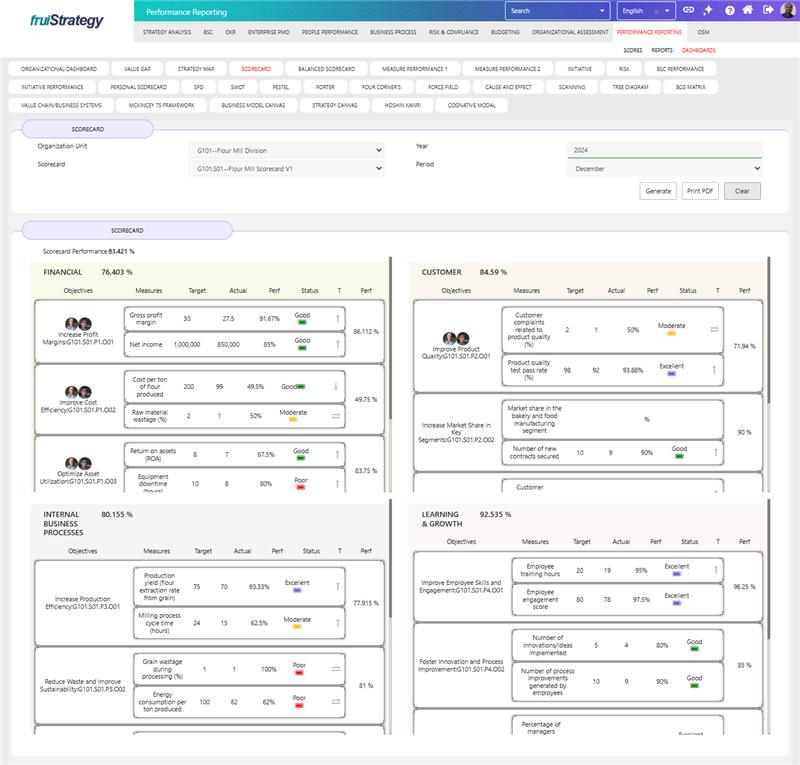
With data insights and performance dashboards, fruiStrategy helps city administrators make evidence-based decisions, improve citizen engagement and drive smart, sustainable urban growth.